

Nourishing bodies and inspiring movement
Discover how Canada's Food Guide and active living principles can transform child care environments into spaces of health and vitality. Learn practical strategies to support children's well-being every day.
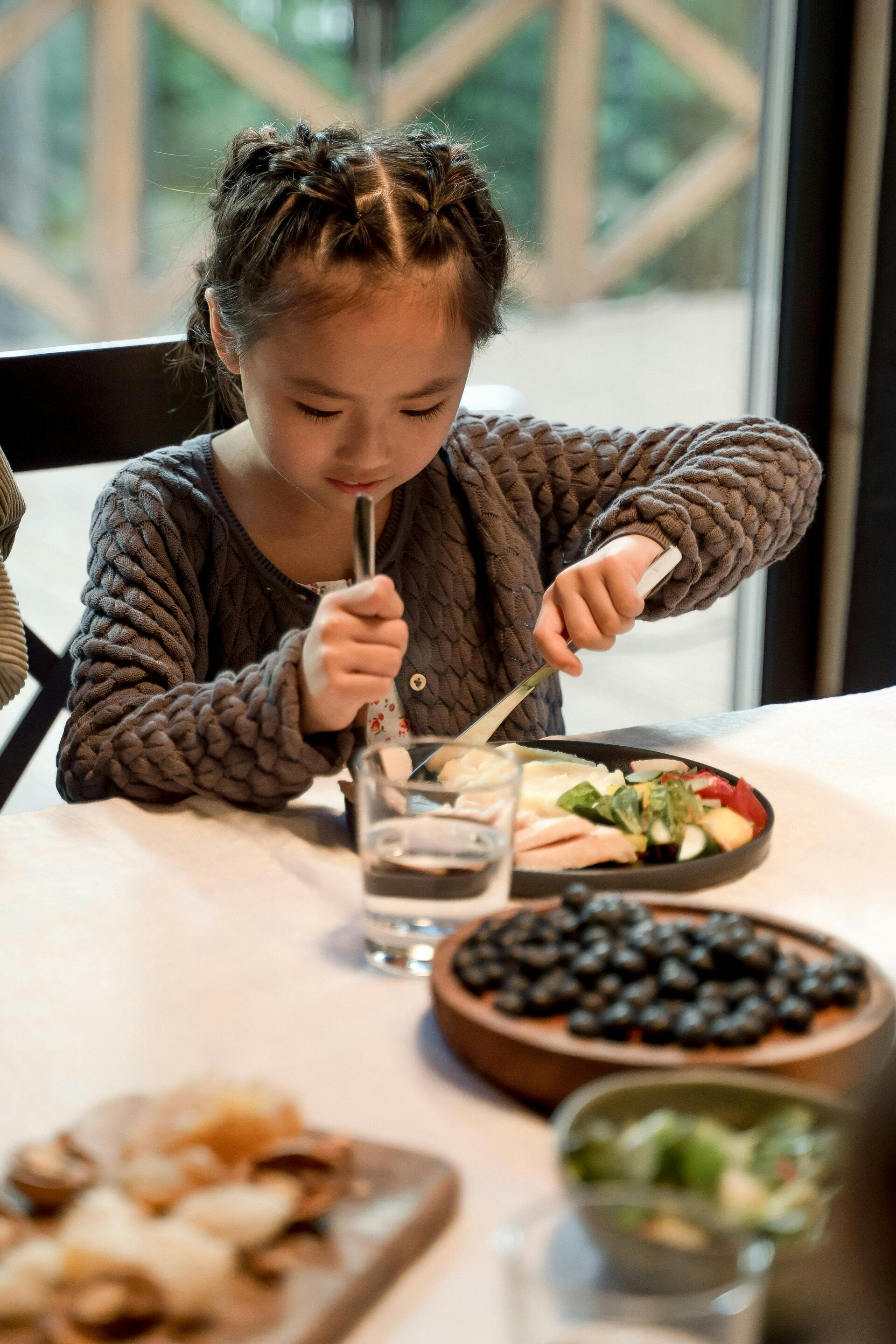
Understanding Canada's Food Guide
Canada’s Food Guide supports healthy eating by encouraging the consumption of a variety of foods, most of which
are vegetables and fruits, whole grains and foods that provide protein. The guide also outlines how healthy eating is
linked to overall health and active living. Health Canada recommends children and youth engage in at least 60
minutes of moderate to vigorous physical activity per day. Child care programs can support children’s active living
throughout the program day by incorporating physical activity into daily routines such as indoor play, songs,
movement-based games, outdoor play, and providing children with opportunities to be physically active during break
times in between scheduled activities.(Health Canada, 2019).

Encouraging active living in child care
Child care educators model healthy eating behaviors for children. Children watch what child care educators do and
learn healthy eating habits by observing calm mealtime conversations and watching educators listen to children’s
hunger and fullness cues. When planning nutritionally balanced and healthy meals and snacks for children it is
important to post the current menu and week’s menu in the child care setting. The menu should include information
about substitutions for meals and snacks as required by Ontario’s regulation for nutrition and physical activity for
early years (Ontario Regulation 137/15).
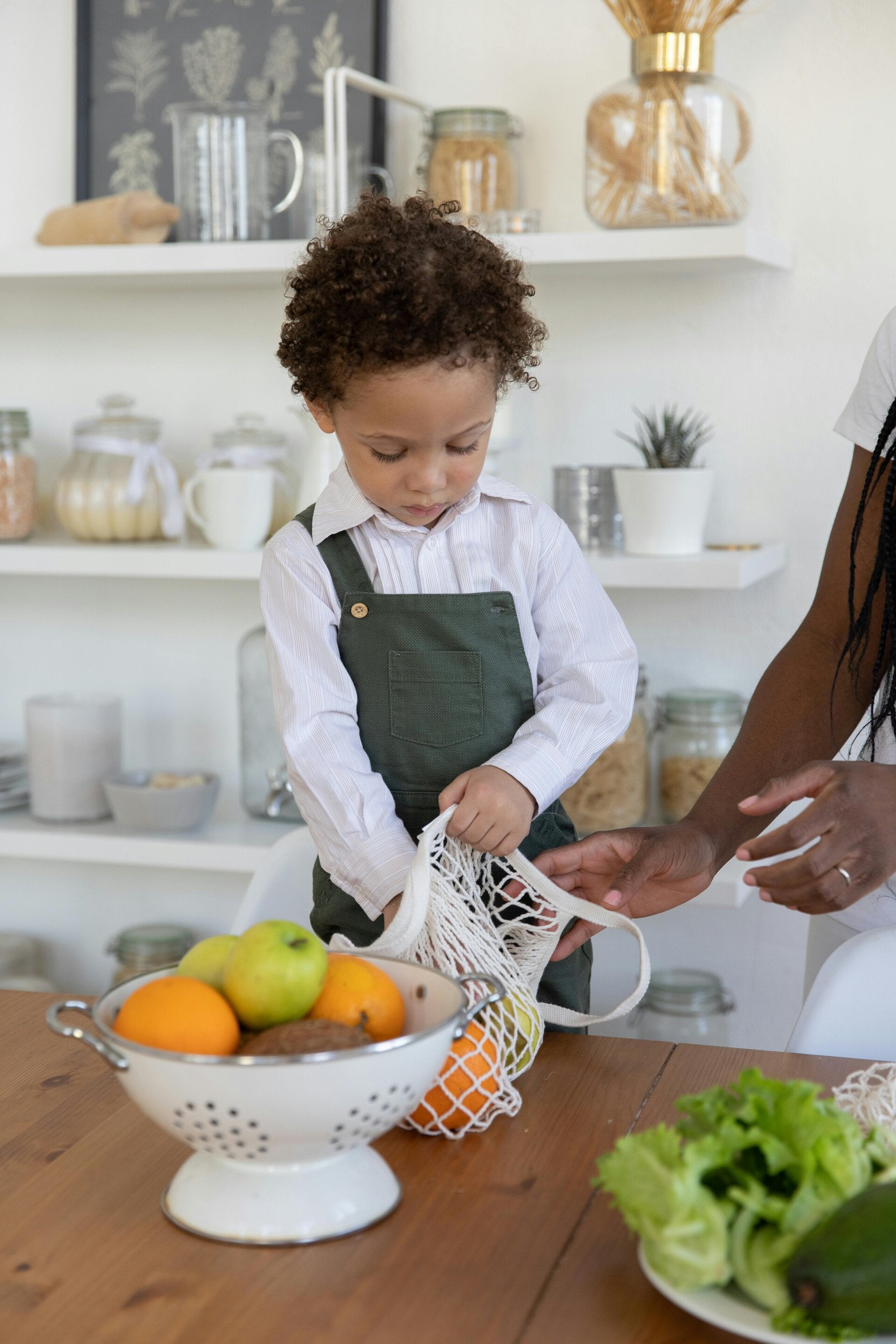
Practical tips for healthy habits
🎀water available all day, especially after outdoor play;
🎀a variety of cut up fresh vegetables and fruits available for children to eat at lunch time and for snacks throughout
the day;
🎀 movement breaks between seated activities;
🎀 outdoor play when weather permits;
🎀calm, respectful dialogue and listening to children’s hunger and fullness cues during mealtimes and snack times;
🎀 menus for current and following weeks are posted, with substitutions recorded as required by Ontario Regulation
137/15.
Create Your Own Website With Webador