

Importance of Safety
Infants cannot learn, play, eat, sleep or develop trusting relationships with adults and children if their
basic needs for health and safety are not being met. These needs are very important for infants who are
100% dependent on adults for their every need for safe sleep, daily feedings, soiled diapers to be
changed, their cries to be responded to in a timely manner, their physical and emotional safety in an
emergency situation, and protection from all hazards in child care and home environments.
Safety also supports the pedagogy of the four conditions or circumstances required for children to engage in learning:
belonging, well-being, engagement and expression. As noted above, safety supports the physical and emotional
health and well-being of children and supports their learning and development. The Early Learning for Every Child
Today (ELECT) report outlines five broad areas of learning that children develop from birth to age six: health and
physical well-being, social and emotional well-being, communication, physical development and learning approaches
(Best Start Expert Panel on Early Learning, 2007/2014, p. 15)..
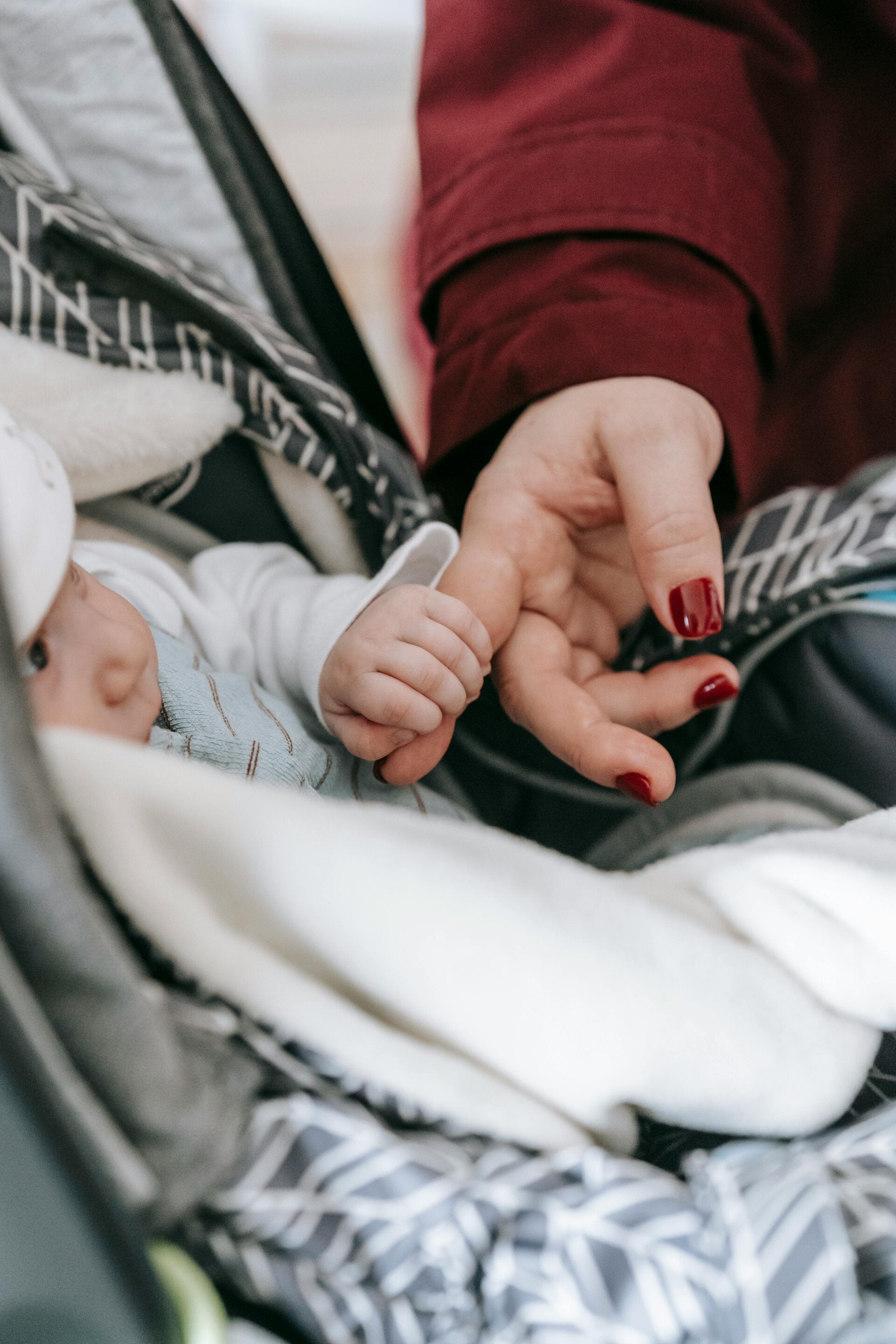
CCEYA and Safety Support for Infants
Infants cannot learn, play, eat, sleep or develop trusting relationships with adults and children if their
basic needs for health and safety are not being met. These needs are very important for infants who are
100% dependent on adults for their every need for safe sleep, daily feedings, soiled diapers to be
changed, their cries to be responded to in a timely manner, their physical and emotional safety in an
emergency situation, and protection from all hazards in child care and home environments.
📌Safety also supports the pedagogy of the four conditions or circumstances required for children to engage in learning:
belonging, well-being, engagement and expression. As noted above, safety supports the physical and emotional
health and well-being of children and supports their learning and development. The Early Learning for Every Child
Today (ELECT) report outlines five broad areas of learning that children develop from birth to age six: health and
physical well-being, social and emotional well-being, communication, physical development and learning approaches
(Best Start Expert Panel on Early Learning, 2007/2014, p. 15).
Infant Sleep Supervision / Direct Visual Check Record

The above form is used to record the direct visual checks made on sleeping infants. The record shows that the child
has been monitored for signs of distress or unusual behavior and that any changes to their sleep pattern have been
recorded and communicated to parents.
The record includes: child’s name; assigned crib/cot number; sleep start time; check time; sleep position; breathing,
color and comfort observations; staff initials; notes regarding lighting/environment; and any significant change and
how parents will be informed of the change.
Document sleep to protect it and ensure it is occurring safely. Written sleep policies and procedures should be
outlined in a center’s program plan and state the frequency of direct visual checks and document those checks
(Government of Ontario, 2026, p. 10).
Daily Written Record / Accident-Incident Report

The daily record of the child care center may also be used as an accident/incident report should an occurrence take
place that in some way may have affected a child’s health or safety. Such occurrences may be accidents and/or
illnesses that have occurred to children and/or staff, as well as other unusual occurrences.
The record must include: date and time of incident or accident; child’s name; where the incident/accident occurred;
description of incident/accident; list of all staff present; description of any first aid administered and follow-up
actions; notification of accident/injury to parents/guardians; review by supervisor; and staff signature. For injuries,
include a description of the circumstances of the injury and the first aid administered. A copy of the report must be
given to the parents/guardians of the child or children involved in the incident/accident.
This documentation serves as written proof that a safe and healthy environment has been maintained at the center
and also informs parents or guardians of any incidents that have occurred and how their child was affected by them.
In accordance with Ontario Regulation 137/15, a daily written record of all incidents that in any way have affected the
health, safety and/or well-being of children and/or staff must be kept, and parents/guardians must be notified of any
incidents that have affected their child.
CCEYA Connection: These documents are not extra paperwork; they are evidence that the program is carrying out the
supervising, documenting, communicating and responding aspect of childcare (Government of Ontario, 2026).
Create Your Own Website With Webador